Chiang Mai, Rose of the North
Written by: Taylor Holmes
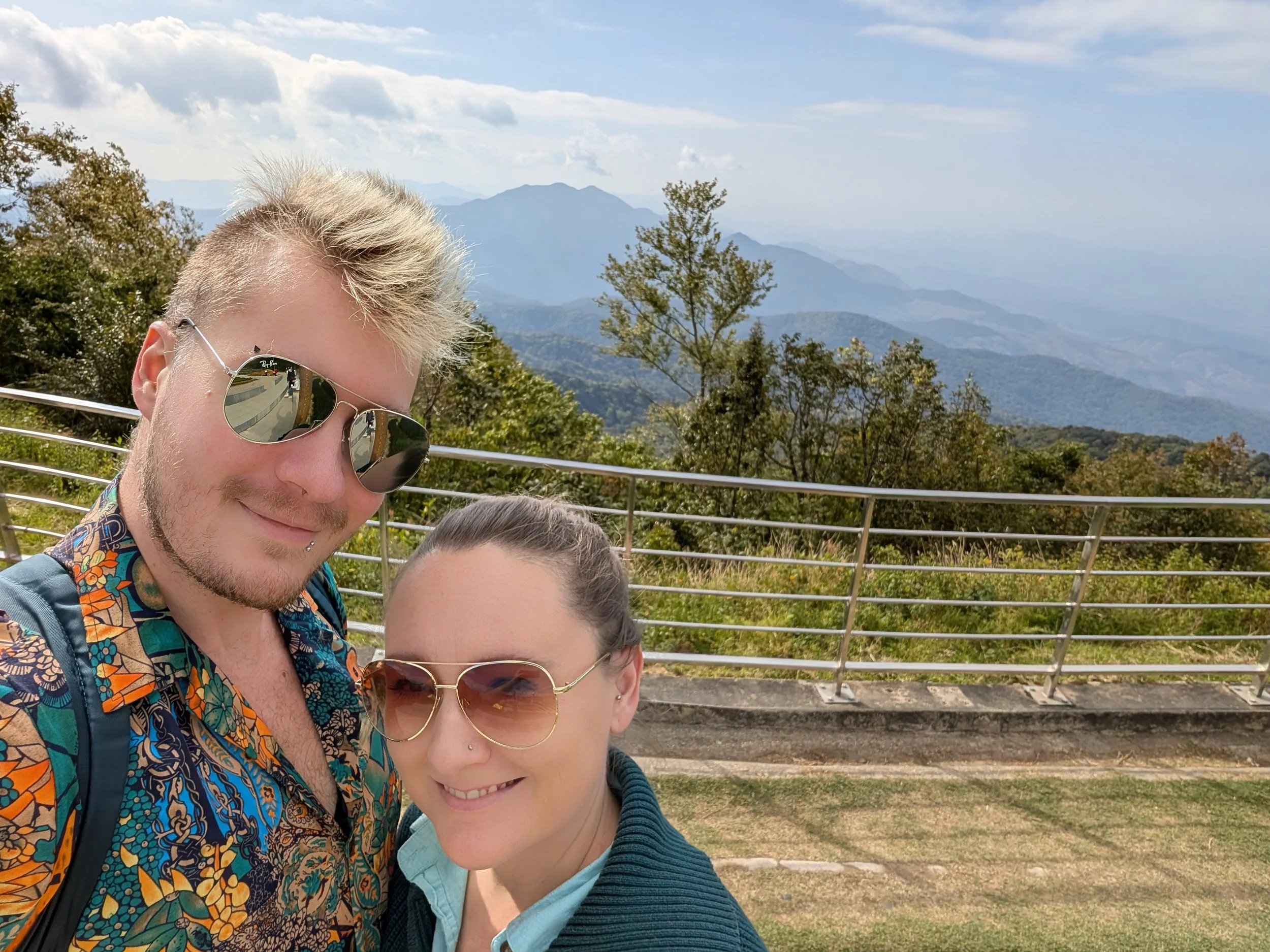
Chiang Mai: A Northern Thai Adventure Through Markets, Ancient Walls, and Mountain Peaks
Chiang Mai, the "Rose of the North," is a city that effortlessly blends ancient traditions with vibrant modernity. Nestled in the mountainous region of Northern Thailand, it offers a captivating escape for every traveler, from the bustling energy of its famous night markets to the serene beauty of its historic Old Quarter and the majestic heights of nearby Doi Inthanon. Join me as we explore the unforgettable charm of this Thai gem.
We were brought here on a visa run from Vietnam. Although we only had a few days, every one of them was action packed. I only wish we had more time to explore every inch of Chiang Mai’s beauty, and the surrounding countryside. Here’s our take on Chiang Mai, and a few Traveler’s Tips to help give you a leg up on your journey!
The Allure of the Night Markets: A Feast for the Senses
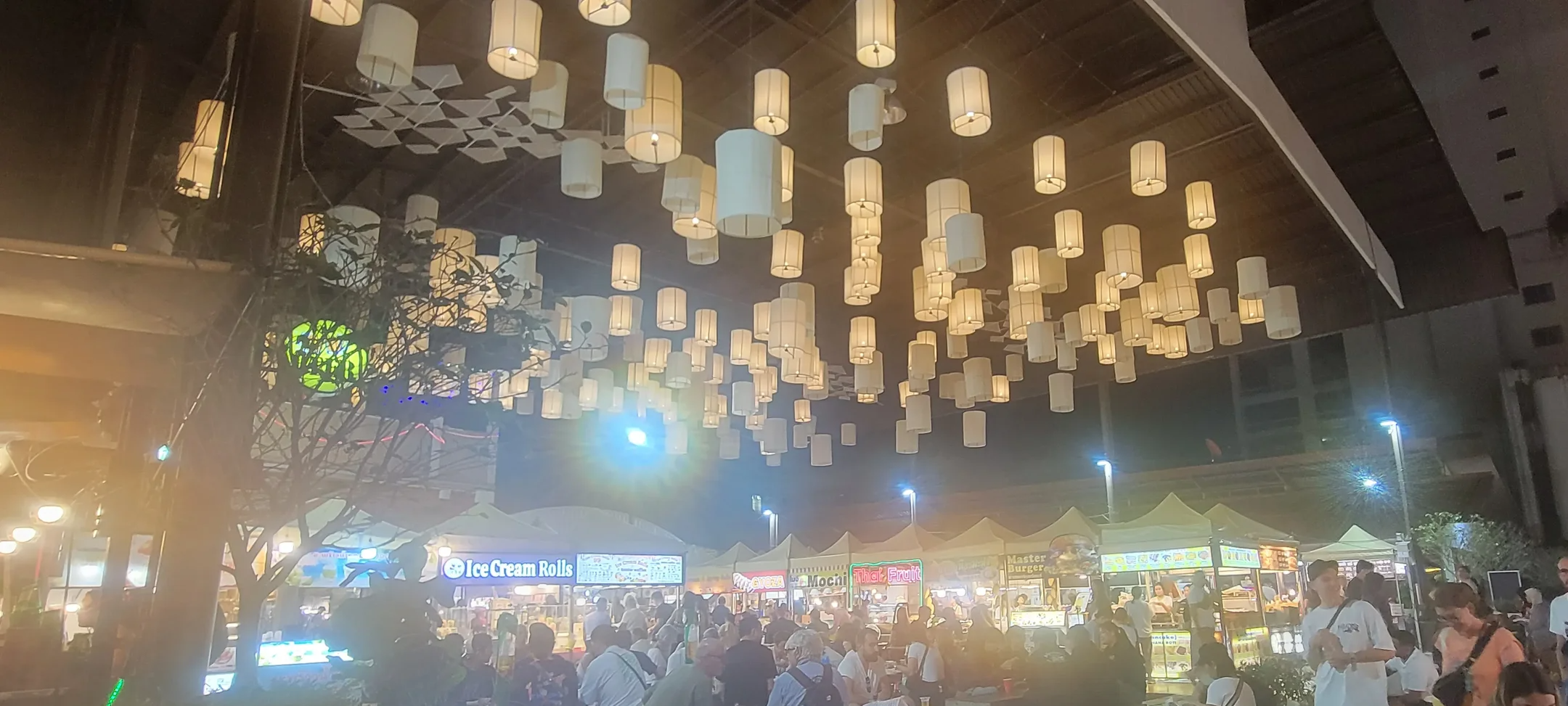
As dusk settles over Chiang Mai, the city truly comes alive with its flashy night markets. These aren't just places to shop; they're an experience. A carnival of sights, sounds, and smells that will immerse you in local culture.
The Sunday Walking Street Market (Tha Pae Walking Street) is arguably the most famous, transforming Rachadamnoen Road into a pedestrian paradise. Here, you'll find an incredible array of handmade crafts, unique souvenirs, intricate textiles, and traditional artworks. It's the perfect place to pick up a meaningful memento of your trip or simply marvel at the local artistry.
We spent plenty of time at The Night Bazaar, as our accommodations were right in the heart of it. Located on Chang Klan Road, this nightly affair offers a wide selection of goods, from clothing and jewelry to electronics and genuine Thai silk.
But beyond the shopping, the food is the star. Both markets are a culinary adventure. Picture yourself sampling spicy sai oua (Northern Thai sausage), sweet and sticky mango with rice, fragrant curries, fresh fruit shakes, and an endless variety of street food delights. Don't be shy; approach a stall, find a spot, and let your taste buds embark on their own journey. Feel free to try the fried scorpions, but take note that they are more of a tourist oddity than authentic Thai cuisine.
Traveler’s Tip: Bargaining isn’t quite what it once was (pre covid) but it’s still welcomed by some vendors. Just be respectful and prepared to walk away (a good mindset for haggling in any circumstance).
The Ancient Heart: Exploring Chiang Mai's Old Quarter
Stepping into the Old Quarter of Chiang Mai is like walking the bridge between Lanna history and modern Thailand. Enclosed by ancient moats and crumbling red-brick walls, this historic district is home to over 300 temples, each telling a story of Lanna kingdom glory.
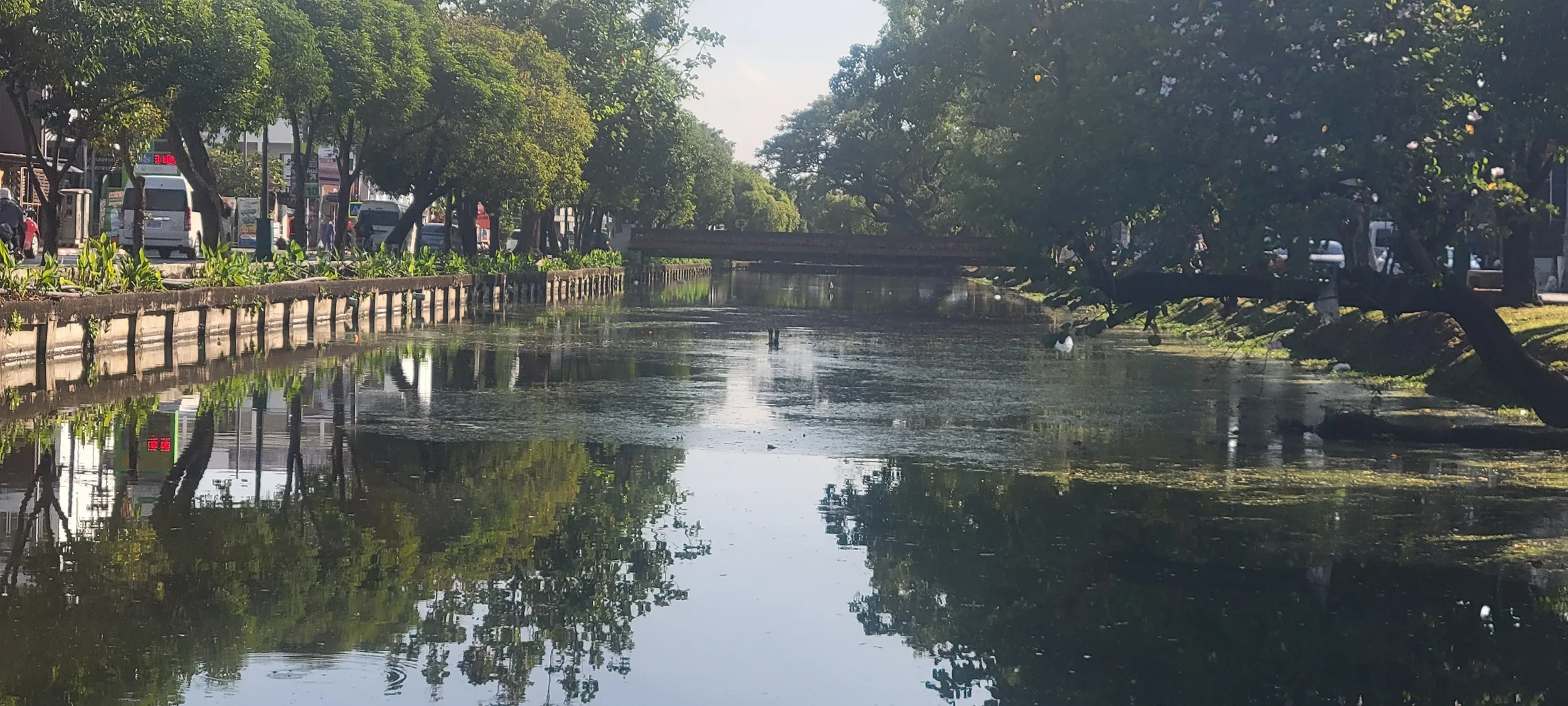
Wandering the narrow streets, we discovered magnificent temples around every corner. Wat Phra Singh, with its ornate architecture and revered Buddha image, is a must-see. Wat Chedi Luang, a towering ruin that once housed the Emerald Buddha, exudes an awe-inspiring sense of history and scale. And don't miss the intricate wooden carvings and silverwork at Wat Phan Tao.
Beyond the temples, the Old Quarter offers charming guesthouses, cozy cafes serving delicious Thai coffee, traditional massage parlors, and small shops selling local handicrafts. Rent a bicycle or simply stroll at your own pace, soaking in the serene atmosphere and the rich cultural heritage that permeates every alleyway.
Traveler’s Tip: If you are particularly delicious to mosquitoes, do not forgo the bug repellent. Plenty of rivers, moats, and other bodies of water mean plenty of tiny buzzing buddies to contend with.
Scaling the Roof of Thailand: A Day Trip to Doi Inthanon
I have officially saved the best for last. Doi Inthanon National Park, a wonder of nature and the highest peak (2,565 meters above sea level) in Thailand. Head two hours southwest of the city to to feel worlds away from the humid lowlands. The air is crisp, the forests are draped in moss, and the views are nothing short of cinematic. As you climb the seemingly endless ascent, notice the change in local flora. From tropical banana trees to nearly boreal environs.
The Twin Pagodas
Just below the summit sits the Phra Mahathat Naphamethanidon and Naphaphonphumisiri. These two striking pagodas were built to honor the 60th birthdays of King Bhumibol Adulyadej and Queen Sirikit. Surrounded by meticulously manicured flower gardens that look like something out of a fairy tale, the pagodas offer a panoramic view of the valley below. On clear mornings, you might even witness a sea of clouds rolling over the mountain ridges.
Traveler’s Tip: The Pagodas are likely going to be your first stop at Doi Inthanon. After the long car ride, do not underestimate the steps up to the pagodas. The air at this altitude is quite thin and takes some time to acclimatize to.
Hiking the Kew Mae Pan Nature Trail
For nature lovers, the Kew Mae Pan Nature Trail is the crown jewel of the park. This 2.8 kilometer loop requires a local Hmong guide (available at the trailhead) and takes you through a diverse range of ecosystems:
The Cloud Forest: A misty, evergreen forest where every branch is covered in thick green moss and ferns.
The Ridgeline: The trail opens up to a dramatic cliffside walk with sweeping views of the mountains.
The Red Rhododendrons: If you visit between December and February, look out for these rare, giant red flowers blooming along the edge of the cliffs.
Traveler’s Tip: This hike includes quite a lot of steep inclines and declines, on top of the aforementioned thin air. It is not suitable for those with significant movement impediments. I myself underestimated the rigorous nature of the hike, but loved every second. If you’re up for the challenge, it is absolutely worth it.
Cascading Wonders
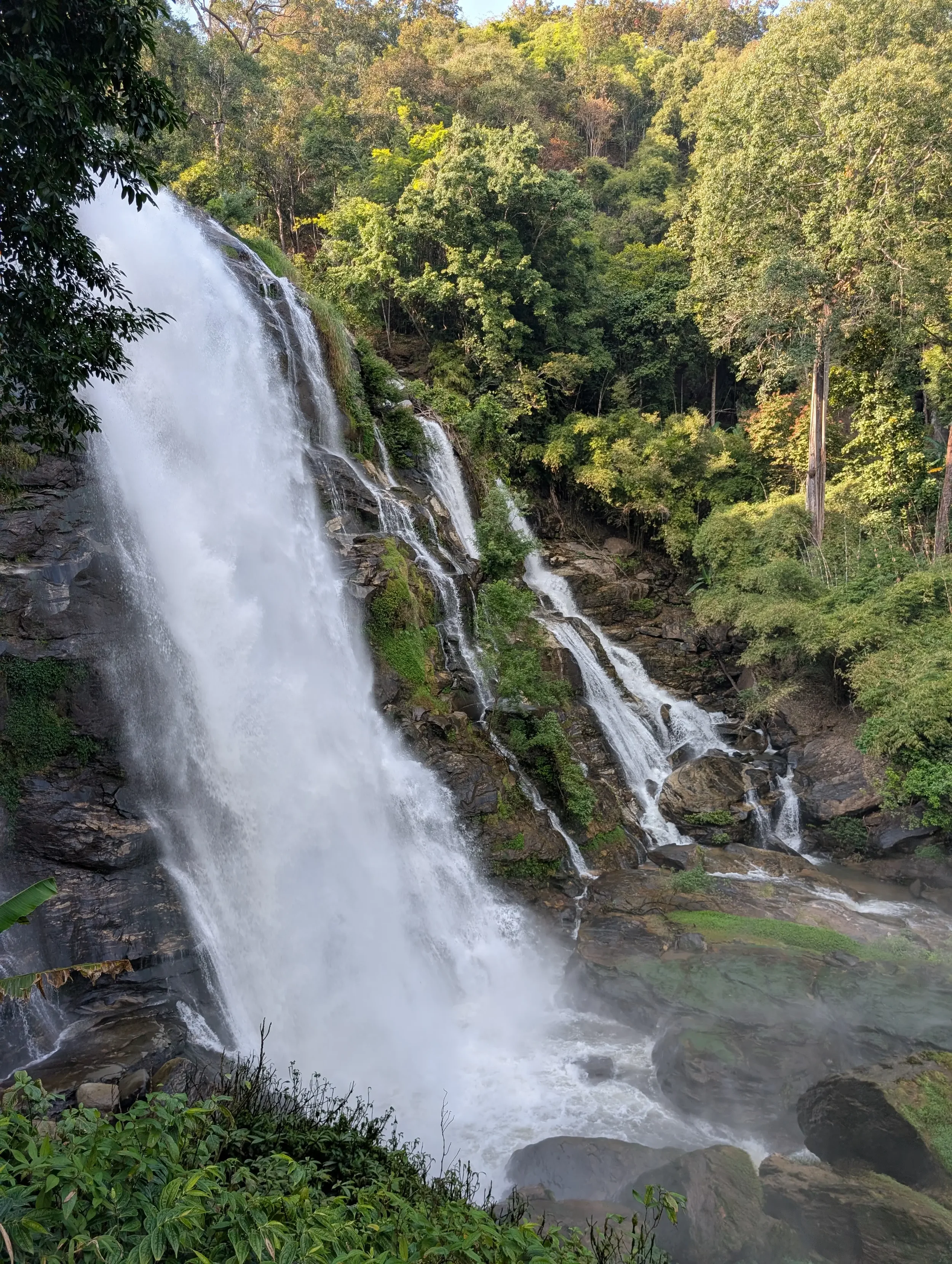
No trip to Doi Inthanon is complete without visiting its massive waterfalls. Wachirathan Waterfall is the most popular, and for good reason. The power of the water creates a permanent mist that often produces rainbows in the sunlight. Once, swimming was allowed in the waters at the foot of the falls, but due to a tragic death, swimming is now prohibited. For a more serene experience, make the detour to Mae Ya Waterfall, a giant, multi-tiered curtain of water that is widely considered one of the most beautiful in Thailand.
Traveler’s Tip: Even if it’s 30 Celsius in Chiang Mai, the summit of Doi Inthanon can drop to 10 or lower (it was a balmy 7*c. Pack a light jacket or a hoodie—you’ll definitely need it!
Looking for more content on Southeast Asia? Check out Tet in Hanoi!
Eager to share your travels in Thailand? Got strong feelings on eating scorpions? Leave a comment below, give us a sting!
