The Ultimate Guide to Protein Powders: How to Choose What’s Actually Right for You
When it comes to optimizing your fitness, recovery, and overall well-being, protein powder is often mentioned as the most integral and foundational supplement to reach for. Walk into any health food store or browse online, and you’re instantly hit with a wall of giant tubs, flashing labels, and complex jargon. Whether you want to lose a bit of weight, or build the physique of a Greek God, a protein supplement can be a massive asset. But how do you choose “which protein is right for me?”
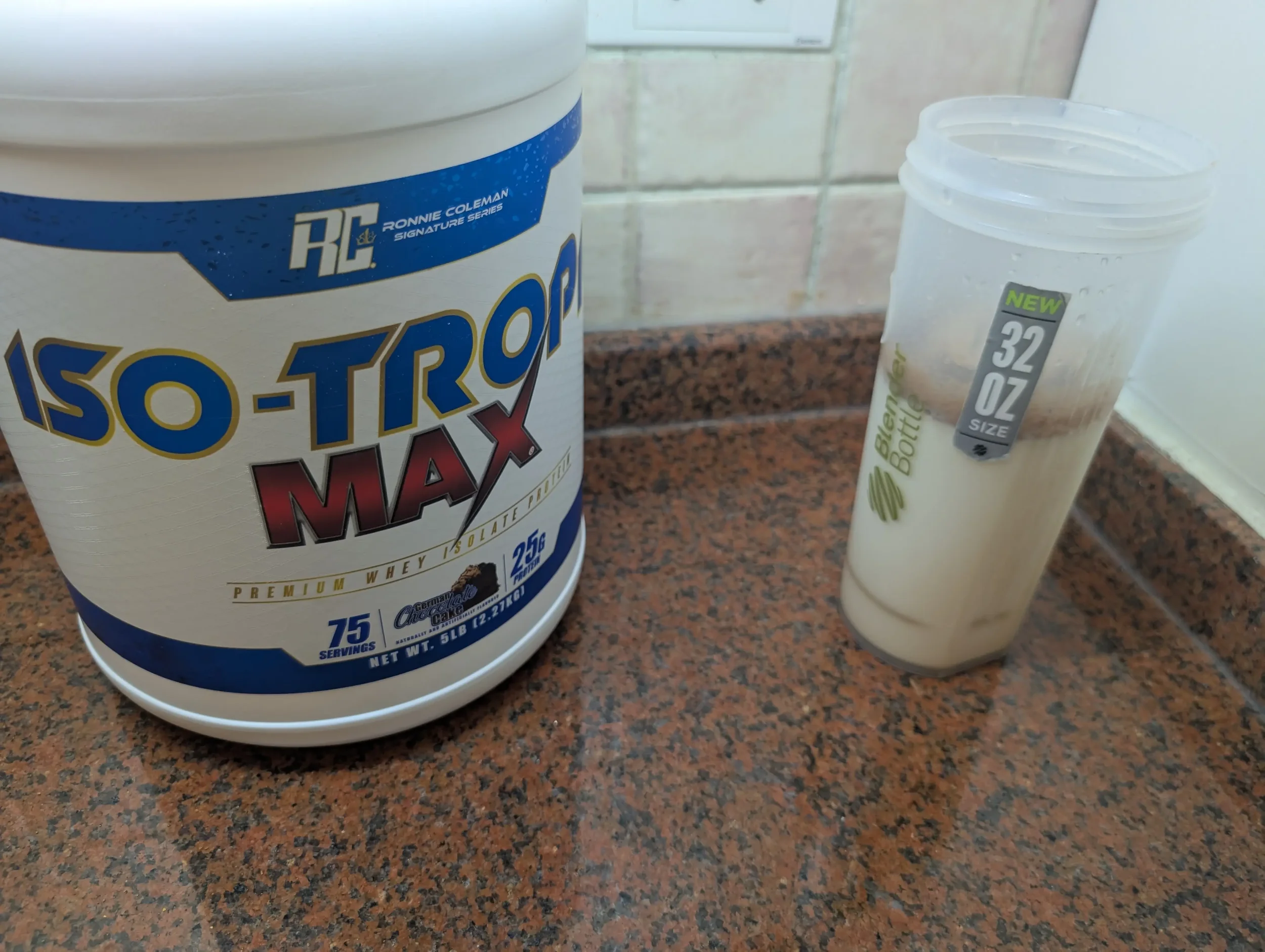
Ronnie Coleman's Iso-Tropic Max is a high-purity whey protein isolate, offering fast absorption with minimal fat and lactose, but it’s not my first choice… More on that later!
Let’s get one thing straight right out of the gate: Whey protein is the gold standard, and for good reason. It has the highest biological value, an incredible amino acid profile, and decades of scientific backing to prove it builds muscle and aids recovery. But there’s a catch… just because whey is the “best” on paper doesn’t mean it’s the right fit for your body. Furthermore, not all whey is created equal.
To find the perfect tub for your goals, budget, and digestive system, you need to understand what you’re putting into your shaker. Let’s break down the world of protein powders by source, absorption speed, and what to look out for on the label.
TLDR:
Best for Post-Workout & Muscle Growth: Whey Protein Isolate (Fast absorption)
Best for Bedtime & Staying Full: Micellar Casein (Slow absorption)
Best for Sensitive Stomachs & Dairy Allergies: Pea Protein, Egg White, or Beef Isolate
The Dairy Dynasty: Whey, Casein, and Milk Proteins
Dairy-based proteins are derived from cow’s milk, which naturally consists of about 80% casein and 20% whey. Many influencers and “health professionals” host charged and polarizing opinion. Some say it’s the bare minimum for hypertrophy (muscle building), while others claim it’s a scam to repurpose waste from the dairy industry.
Whey Protein: The Fast-Absorber
Whey is a byproduct of the cheese-making process. It is incredibly rich in Branched-Chain Amino Acids (BCAAs), particularly leucine, which acts as the trigger for muscle protein synthesis. Because it absorbs rapidly, it’s the ultimate post-workout choice to kickstart recovery. That rapidity may come with a cost, particularly for those with sensitive digesiton or intolerances to dairy/lactose. Whey comes in three distinct tiers:
Whey Protein Concentrate: The most common and affordable form. It ranges from 70-80% protein, leaving behind some fat, carbohydrates, and lactose. If you have a sensitive stomach, Concentrate might cause bloating. In many individuals, it can rush right through them if consumed too quickly (the old chug’n’dump), especially if your body is not acclimatized to consuming whey protein.
Whey Protein Isolate: This undergoes further processing to strip out almost all the fat and lactose, yielding 90%+ pure protein. It is incredibly fast-absorbing and usually well-tolerated by those with mild lactose intolerances, though it costs a bit more. Arguably, this is the best bang for your buck. If your tummy can take it, the price jump isn’t much higher than concentrates, the protein yield is higher, and the digestive stress is more managable.
Hydrolyzed Whey: This protein has been “pre-digested” with enzymes, breaking the protein chains into smaller peptides. It absorbs the fastest of all and is highly hypoallergenic, but it carries a premium price tag and a slightly bitter natural taste. Unless you’re quite wealthy, or a high-performance competing athlete, I don’t believe its worth the cost.
Personal Tip: In my opinion, Isolate is the clear winner here. Its purity, digestibility, and price make it the best bang for your buck.
Casein Protein: The Slow-Burner
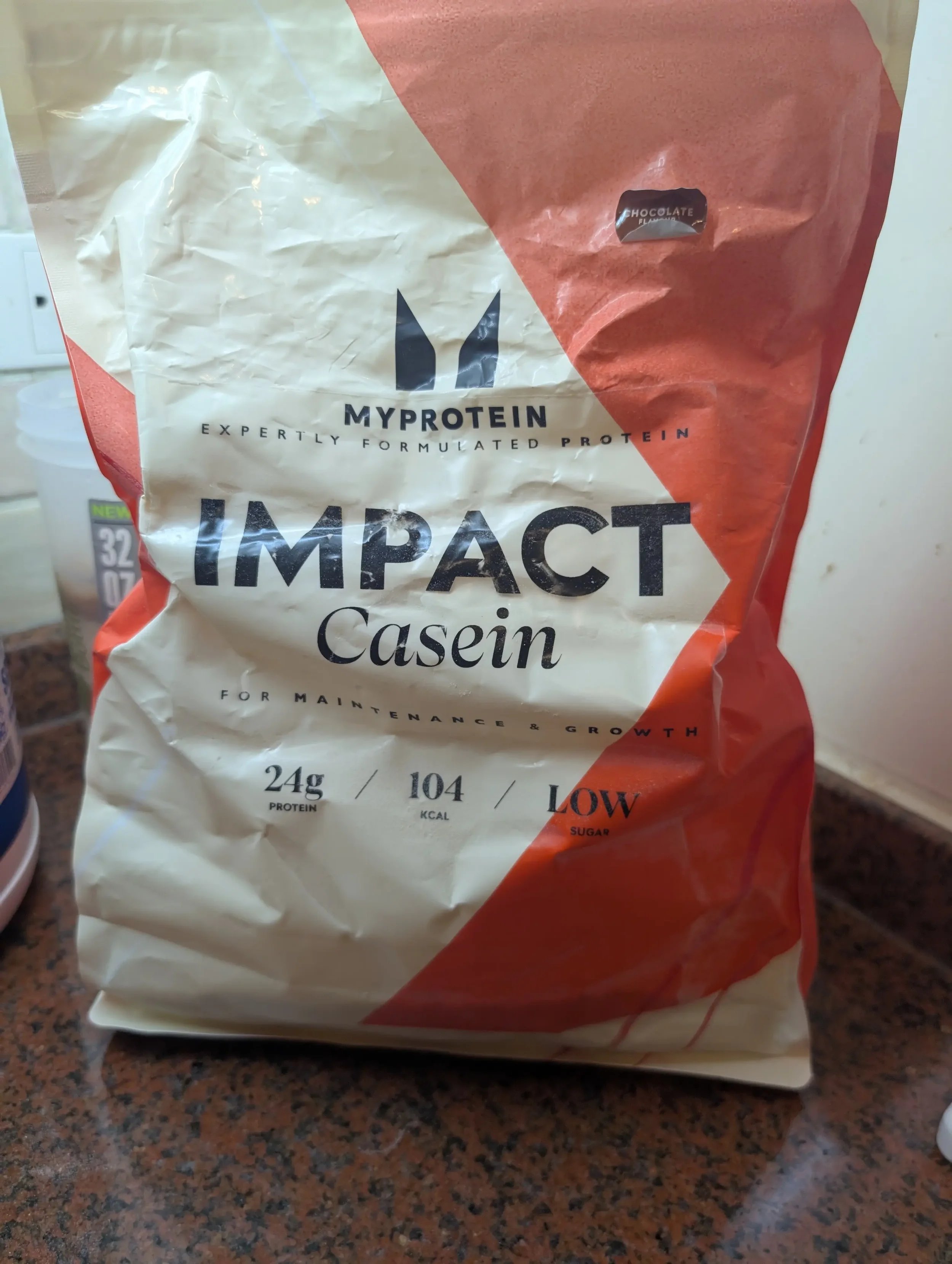
MyProtein Impact Micellar Casein offers a slow, sustained release of amino acids, making it an ideal choice for overnight recovery. I personally prefer unflavoured, but this was my best choice at the time, given its simple ingredients: Micellar Casein, low-fat cocoa powder, and sucralose (yuck).
While whey is fast, Calcium Caseinate or Micellar Casein is the exact opposite. When casein hits your stomach acid, it forms a gel-like substance that digests incredibly slowly (think about how much of a pain cleaning the bottom of a glass of milk is, if left to sit for too long). It releases amino acids into your bloodstream over 6 to 8 hours making casein the perfect pre-fast or bedtime snack to prevent muscle breakdown overnight. It’s also great as part of low-calorie diet plan (alongside fruits and vegetables), to keep you full for longer while staying lean.
"Milk Protein" Concentrates/Isolates
If you see just "Milk Protein" on a label, it’s a blend of both whey and casein in their natural ratios. It offers a moderate digestion speed and a creamy texture, making it a favorite for ready-to-drink shakes. They are often the cheapest protein powders, and vary widely in quality and additives. More of a jack-of-all-trades, master of none kind of deal.
Personal Tip: Protein powders should be used as supplements, not replacements for a proper diet. Casein is a fantastic addition to any exercise or workout regimen, and tends to be far more gentle on digestion. I'd personally not recommend exceeding two protein shakes a day, and keep a focus on quality protein from diet. Having whey post-workout, and casein before bed is an optimal combo.
The Plant-Based Paradigm: Vegan & Dairy-Free Alternatives
Whether you follow a vegan lifestyle, have a severe dairy allergy, or find that milk proteins give you breakouts and bloating, plant-based powders have come a long way in a short amount of time.
Pea Protein: Derived from yellow split peas, pea protein is a powerhouse. It is highly digestible, hypoallergenic, and exceptionally rich in iron. It is a fantastic option for sensitive digestion. While a bit earthy in texture, it’s highly effective.
Soy Protein: One of the few plant proteins that is a complete protein on its own (containing all nine essential amino acids). It blends smoothly but remains a controversial choice due to allergies, GMO farming practices, and possible contaminants.
Hemp Protein: Made from ground hemp seeds, this is less of a pure protein isolate and more of a whole-food supplement. It’s packed with healthy Omega-3 fatty acids and fiber. The downside? It has a gritty texture and a lower protein-per-scoop ratio.
Vegetable & Seed Blends: Because individual plant proteins (like rice or hemp) can be low in certain amino acids, many brands create blends (Pea + Rice + Quinoa). Combining sources ensures you get a complete amino acid profile mimicking that of whey.
Personal Tip: Many may find plant-based protein supplements to be difficult due to texture or flavour differences. Personally, I recommend making a comprehensive meal replacement out of them by blending a smoothy with fruits, vegetables, or homemade yogurt.
The Maverick Alternatives: Egg and Beef
If you can’t tolerate dairy but plant proteins don't agree with your stomach or your tastebuds, look to these animal-based alternatives:
Egg White Protein: This is essentially dehydrated egg whites. It provides a complete amino acid profile, absorbs at a medium speed, and is completely dairy-free. Be warned: it can be a bit frothy when shaken.
Beef Protein Isolate: Usually made from hydrolyzed beef collagen or gelatinous tissue, beef protein is heavily marketed to the Paleo community. It is excellent for those with severe dairy, soy, gluten allergies, or sensitive digestion. However, ensure the brand specifies it comes from actual beef flesh rather than just hooves and hide, which have lower muscle-building properties.
The Dark Side of the Label: Quality, Safety, and Gimmicks
Once you’ve chosen your protein source, you still have to navigate the wild west of supplement marketing. Here is what you to be on the look out for before comitting yourself to 20+ servings of potential terror.
The Contaminant Risk (Heavy Metals)
Protein powders are classified as dietary supplements, meaning they aren’t strictly regulated by the FDA before they hit shelves. Several independent studies (such as those by the Clean Label Project) have revealed that many popular protein powders, especially certain plant-based options and chocolate flavoured choices, contain alarming levels of heavy metals like lead, arsenic, and cadmium. Plants absorb these naturally from the soil, but poor manufacturing processes exacerbate the issue.
The Fix: Always look for brands that feature a stamp from a third-party testing organization like NSF, Informed-Choice, or USP. This ensures what’s on the label is in the tub, and nothing dangerous is hiding inside. It is always worth it to shell out another couple of bucks for a product you consume with such regularity. Just as your muscles build up, so too can the toxins. That’s a price that’s never worth paying.
Marketing Gimmicks to Avoid
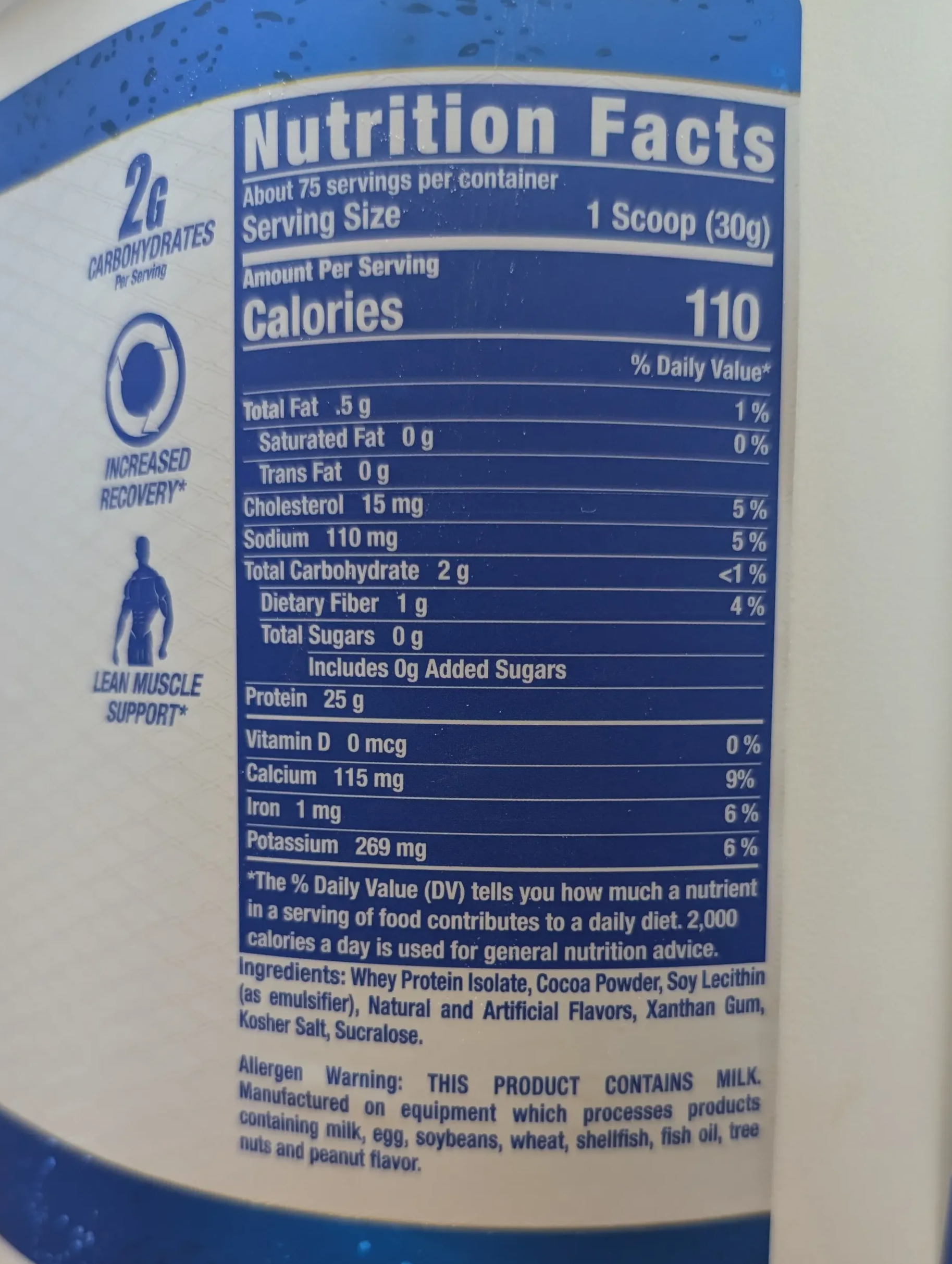
Notice how a 30g scoop yields 25g of pure protein. That means this powder is roughly 83% protein by weight, easily hitting the 70-80% minimum gold standard benchmark. I usually try to get unflavoured powders without thickeners, to avoid junk additives (let’s get real, the taste kinda sucks anyways).
Deceptive Portion Sizing: Don’t just look at the giant “30g of Protein!” on the front of the tub. Look at the back. If a serving size is 50 grams, but only 25 grams of that is protein, the other 25 grams are fillers, carbs, and fats. You want a powder that is at least 70-80% protein by weight per scoop.
Amino Spiking: Some unscrupulous brands add cheap free-form amino acids (like taurine or glycine) to the powder. Because standard laboratory tests measure total nitrogen content to calculate protein, these cheap aminos trick the test into showing a higher protein count than what is actually there. Look closely at the ingredient list; if you see random amino acids listed individually outside of a typical amino acid profile table, step away.
Excessive Flavourings & Additives: Artificial sweeteners (sucralose, aspartame), thickeners (xanthan gum, guar gum), and chemical creamers are often added to mask the taste of poor-quality raw protein. If you find yourself bloated after a shake, it might not be the protein itself; it might be the chemical cocktail used to make it taste like a double-chocolate mocha frappa-lappa-ding-dong.
Personal Tip: While I always advise caution when it comes to "brand loyalty," when you start really reading the label, you'll quickly see who the bad-players and the transparent companies are.
Summary: Finding Your Perfect Match
For Post-Workout & Maximum Muscle: Choose a high-quality Whey Protein Isolate.
For Nighttime Recovery & Satiety: Opt for Casein.
For Bloat-Free, Sensitive Stomachs: Reach for Pea Protein or a high-quality Hydrolyzed Beef/Egg White protein.
Ultimately, the best protein powder is not the one that some legendary bodybuilder, fitness influencer, or instagram quack supports… because they aren’t you. The one that aligns with your dietary restrictions, digests smoothly without causing distress, and comes from a clean and honest brand will beat out the popular choice any day of the week.
Got a protein preference? Maybe you just love that metalic zing that lead brings to your protein! Leave a comment below and flex your whey into the history books!
