Must-Try Curries in New Delhi: A Foodie’s Guide to North Indian Classics
Written by: Taylor Holmes
Searching for the best curries in New Delhi often leads you through a sensory maze of smoke, spice, and centuries-old tradition. As the culinary heart of North India, Delhi’s food scene is defined by iconic dishes like Dal Makhani, Malai Paneer, Nihari, and flame-kissed Garlic Naan. Whether you’re exploring the narrow lanes of Old Delhi or dining in the city's modern hubs, understanding the local flavors and cooking techniques, from the art of the Tadka to the depth of the Tandoor, is essential for any traveler. In this guide, we dive into the must-try traditional Indian curries that define the capital, offering a taste of the authentic 'Tales by Travel' experience.
A Foodie’s Guide to North Indian Classics
To say you have experienced India after one trip is a bold claim, but to say it about its food is just plain foolish. India is a vast tapestry of flavor, and New Delhi, the nation’s culinary heart, is where the threads of Jammu, Kashmir, and Kerala all seem to intertwine.
Our introduction to India began with a jet-lagged feast in a quiet New Delhi guesthouse. It was there, over steaming bowls of Dal Makhani and Malai Paneer, that we realized Indian cuisine isn't just about heat, it’s about history, technique, and the art of the "slow burn."
If you’re planning a trip to the capital, these are the essential curries and staples that define the Delhi experience.
The Delhi Kitchen: A Quick Glossary
Before diving into the dishes, it helps to understand the "alphabet" of Indian cooking. These techniques are what separate a standard curry from a masterpiece.
Tadka (Tempering): The ritual of searing spices in hot oil or ghee to release their essential oils. This "flavor bomb" is often poured over a dish just before serving.
Bhunao: A unique stir-frying method where small splashes of liquid (water or yogurt) are added to prevent sticking, effectively "de-glazing" the spices back into the protein.
Dhuangar: An ancient smoking technique using a red-hot charcoal placed in a small bowl inside the cooking pot to infuse the gravy with a campfire-esque depth.
Ghee: Clarified butter. It is the gold standard of fat in North India, used for its high smoke point and nutty, rich finish.
Dal Makhani: The King of Punjab
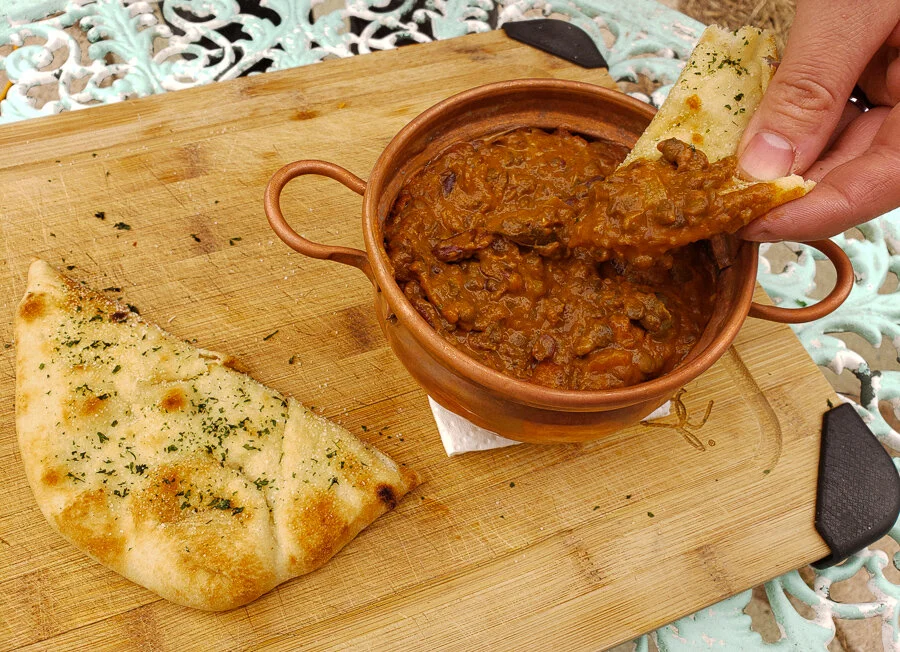
Home made dal makhani with garlic naan
If New Delhi had an official scent, it would be the smoky, buttery aroma of Dal Makhani. Originating from the Punjab region, this dish is a lesson in patience. In our experience, it was the one curry that you could never go wrong with!
The Base: Black lentils (urad dal) and red kidney beans (rajma).
The Technique: Traditionally, this dish is a 26-hour labor of love. It is stewed over a low coal fire until the lentils lose their structural integrity and merge into a velvet-thick gravy.
The Flavor: Savory, lightly salty, and deeply aromatic with whispers of cumin, bay leaves, and cinnamon.
Local Tip: "If you see 'Dal Bukhara' on a menu in Delhi, it’s a specific, world-famous variation of Dal Makhani that is even creamier and cooked without kidney beans."
Chef’s Tip: When making Dal at home, the secret is in the soak. Change the soaking water every two hours to ensure a clean flavor and the perfect "velvety" mouthfeel.
Malai Paneer: The Creamy Classic
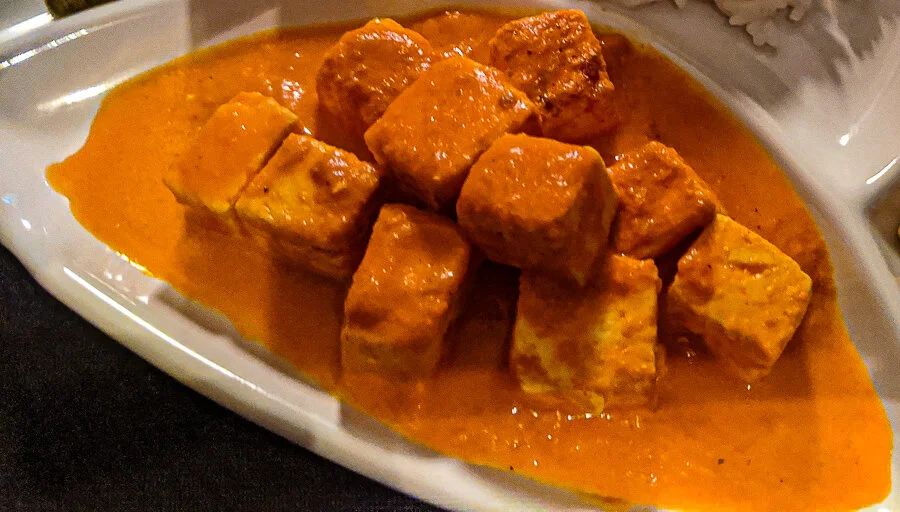
Home made malai paneer.
Paneer is the "cottage cheese" of India, but don't let the name fool you. It is firm, non-melting, and acts as a canvas for the heavy creams and spices of the North.
The Texture: Malai translates to "cream." The dish features a slightly sweet, thick gravy that highlights the paneer’s tofu-like firmness.
The Variety: In Delhi, you’ll find versions ranging from tomato-based reds to ghee-heavy yellows infused with Tandoori Masala and/or Garam Masala.
Chef’s Tip: To get the best texture, gently press and rinse your paneer before cooking, then marinate/rub it for 12–24 hours to let the salt and spices penetrate the core.
Hungry? Check out my recipe for Malai Paneer here.
The Old Delhi Legend: Nihari
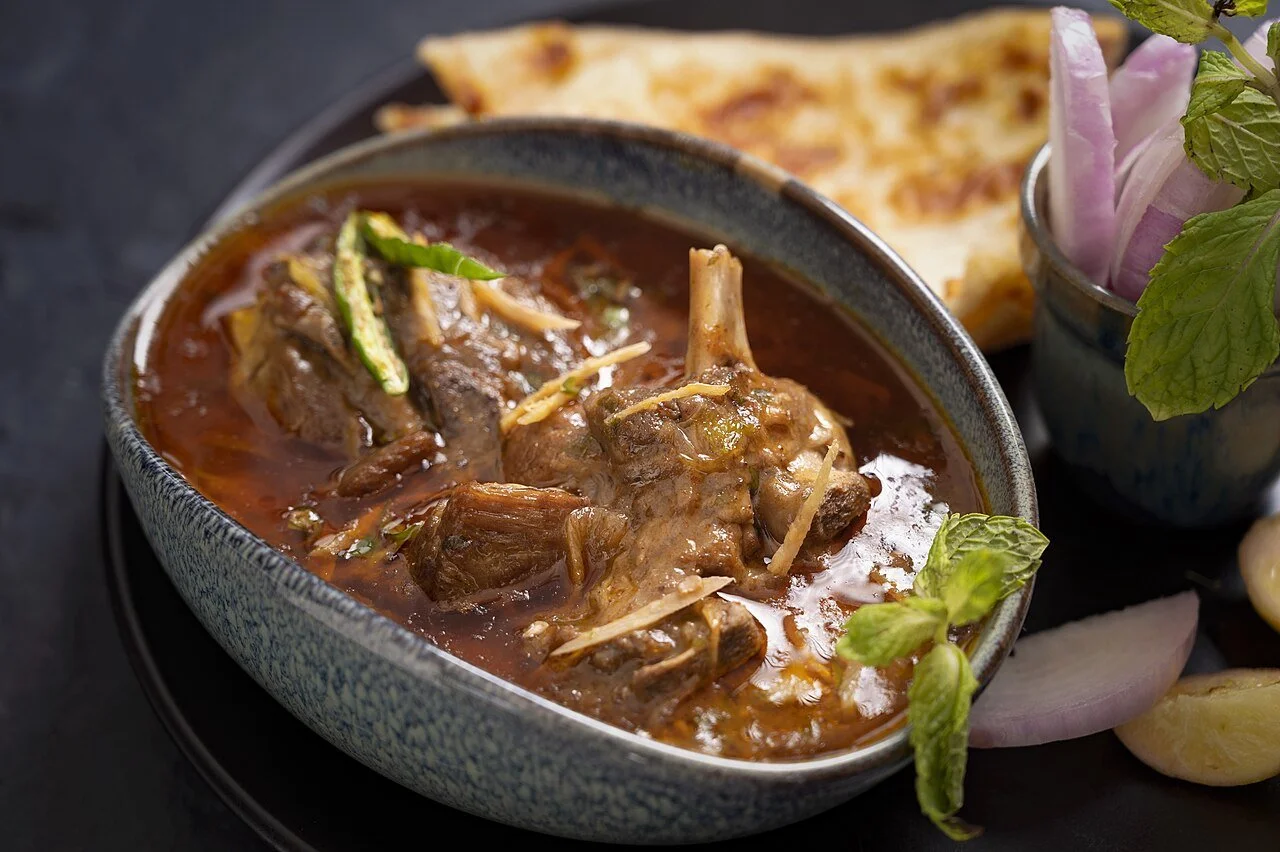
A rich, slow-cooked Mutton Nihari—a legendary Mughal-era meat stew known for its deep flavors and tender texture.
Nihari is less of a meal and more of a ritual, a soulful masterpiece that traces its lineage back to the royal kitchens of the 18th-century Mughal Empire. The name itself comes from the Arabic word Nahar, meaning "morning," as it was originally designed as a high-energy breakfast for laborers and royals alike to sustain them through the day.
The Technique: What makes it truly special is the slow-burn patience required for its preparation; the meat (usually beef or mutton shank) is simmered overnight in a massive, flour-thickened gravy inside a sealed copper pot.
The Flavour: The marathon cooking process allows the bone marrow to melt into the sauce, creating a rich, velvety texture infused with a complex spice blend of long pepper, cumin, and cloves.
The Texture: When served, it’s a sensory explosion. The meat is so tender it yields to a mere touch, and it's traditionally topped with a vibrant garnish of julienned ginger, fresh cilantro, lime, and a final, searing drizzle of chili-infused oil.
Chef’s Tip: Skim off the red spice-infused oil from the simmering process before thickening the gravy, set it aside, and drizzle over for extra oomph when serving.
While Nihari is a royal dish, if you're looking for quicker bites, don't miss my guide to the Best Street Eats of Northern India.
Garlic Naan: More Than Just Bread
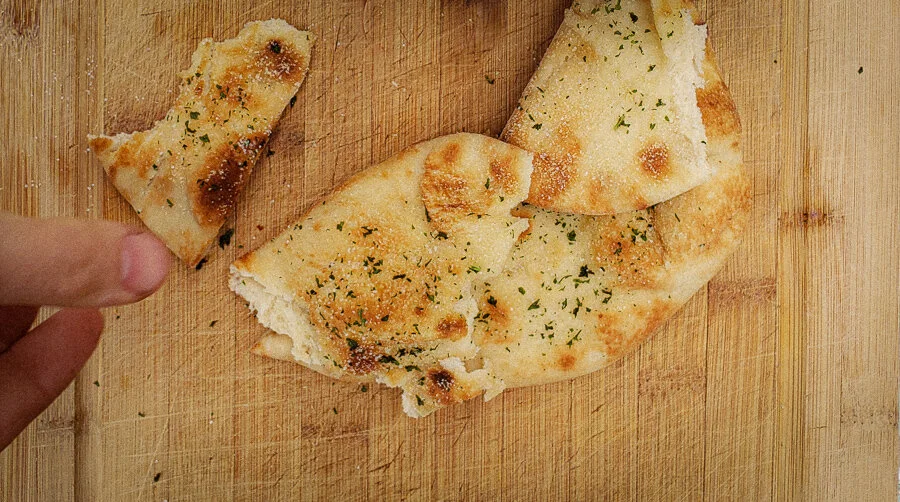
In a Delhi dhaba, your hands are your primary utensils, and Naan is your most important tool.
The Lore: With roots in ancient Persia, Naan is a leavened flatbread traditionally slapped against the blistering clay walls of a Tandoor (kiln).
The Profile: The high heat creates "char blisters.” Smoky, crispy bubbles that contrast with the soft, chewy interior.
The Pairing: While simple Naan is a staple, Garlic Naan topped with fresh cilantro and a brush of ghee is the ultimate companion for scooping up thick Dal.
Where to Find the Best Curry in New Delhi
While our guesthouse feast was unforgettable, New Delhi is home to "pilgrimage" spots for food lovers:
Bukhara (ITC Maurya): Famous globally for their "Dal Bukhara," which cooks for over 24 hours.
Karim’s (Old Delhi): For a taste of history near the Jama Masjid, their Mughlai curries are unmatched.
Veda (Connaught Place): A more upscale, atmospheric take on traditional North Indian classics.
FAQ: Navigating New Delhi’s Food Scene
Is the food in New Delhi very spicy? It varies. While the flavors are intense, many North Indian curries like Dal Makhani are more "aromatic" than "hot." You can always ask for "medium" heat.
What is a "Masala"? Simply put, it’s a blend. Whether it’s Garam Masala (warm spices) or Chaat Masala (tangy spices), every kitchen in Delhi has its own secret ratio.